
Black Friday 2026 Wearables Guide: Smartwatches, Fitness Trackers, and the Battery Trap
Wearables are the most reliably discounted tech on Black Friday — last year’s models clear at 25–40% off to make room for the fall launches, and the discounts are usually genuine because the hardware barely changes year to year. But this is also where the fine print lives: cellular upsells, subscription-gated features, and battery claims that collapse under GPS. I learned to read the fine print after paying for a cellular model I never once used.
Here is the short version: pick the platform your phone is already on, buy the GPS-only version, and never pay full price for a Fitbit. Black Friday is November 27, 2026; Cyber Monday is November 30.
Pick the platform first — it is not negotiable
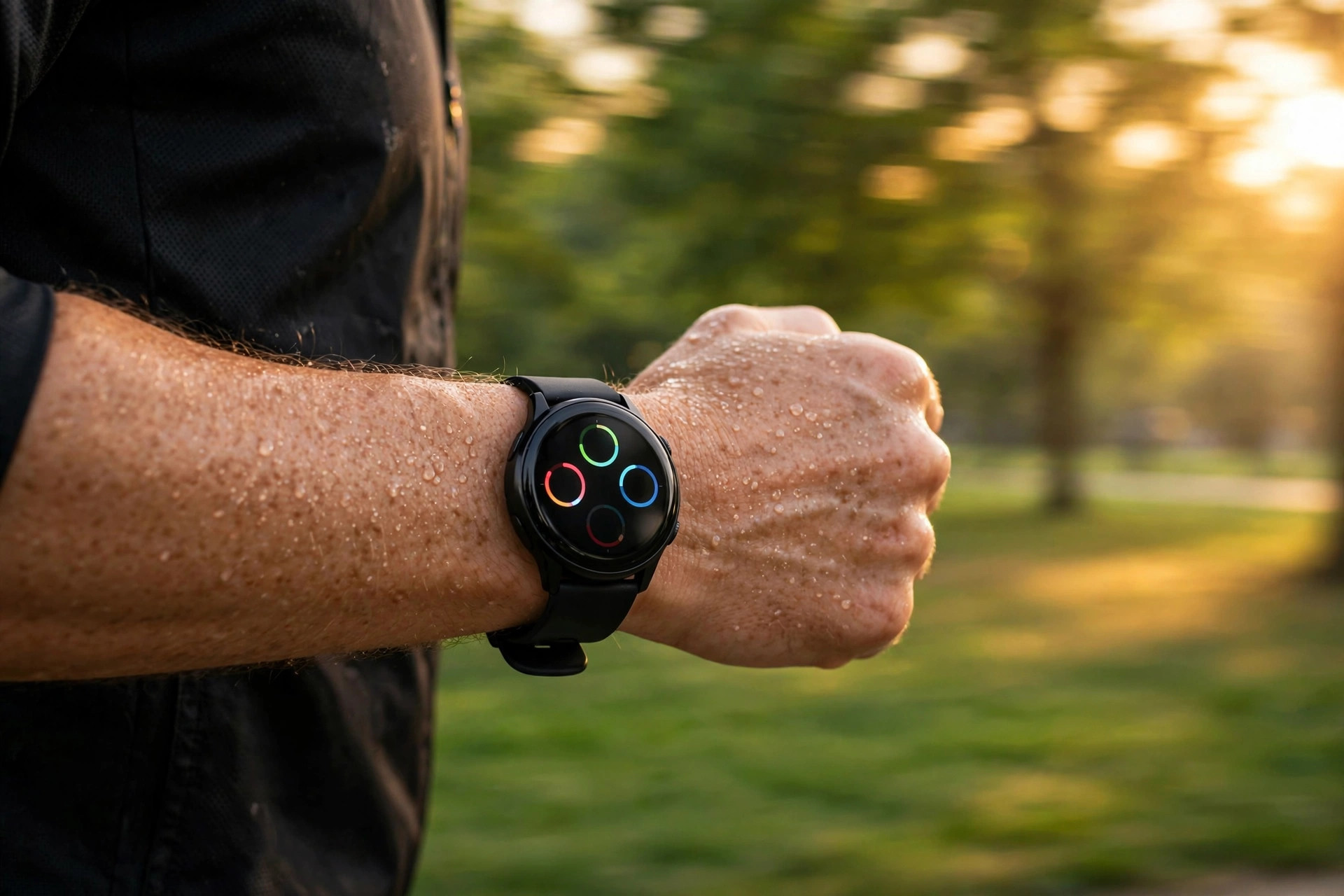
Start with the phone in your pocket, because the wearable lives or dies on how it talks to that phone. iPhone owners: the Apple Watch is the default answer — nothing else integrates with iMessage, Apple Pay, and Find My the same way. On Android, you are choosing between a Google Wear OS watch, a Samsung Galaxy Watch, Fitbit, or Garmin for athletes.
Fitbit is the budget fitness-first pick with excellent sleep and step tracking — but the hardware has not changed much in years, so never pay full price. I have bought Fitbits at every price they have sold at, and the only honest one is the November one. Black Friday discounts here are the rule, not the exception. Garmin is the athlete pick: serious GPS, genuinely multi-week battery life on many models, deep running and cycling metrics — at a premium that Black Friday softens 20–30%.
Do not buy a watch hoping to switch ecosystems later. A $200 discount on the wrong platform is just $200 spent on a reminder to switch back.
The cellular-model tax (and why GPS-only is the deal)
Every smartwatch line offers a cellular model, and for most buyers it is a trap. The hardware costs $50–100 more, the carrier charges roughly $10 a month for the line, and the feature it unlocks — leaving your phone behind on a run — is something most people use a handful of times a year.
Run the two-year math: $100 in extra hardware plus $240 in line fees is $340 for maybe $50 of convenience. The GPS-only version tracks runs, music, and heart rate perfectly well — it just needs your phone nearby, which it is 99% of the time anyway. Retailers know the cellular versions sell slower, so the deepest Black Friday discounts often land on exactly the GPS-only models you should be buying.
The one honest exception: if you genuinely run or ride phone-free several times a week, the cellular model earns its keep. Everyone else is buying a monthly bill.
Battery-life claims vs. reality, plus the subscription tax
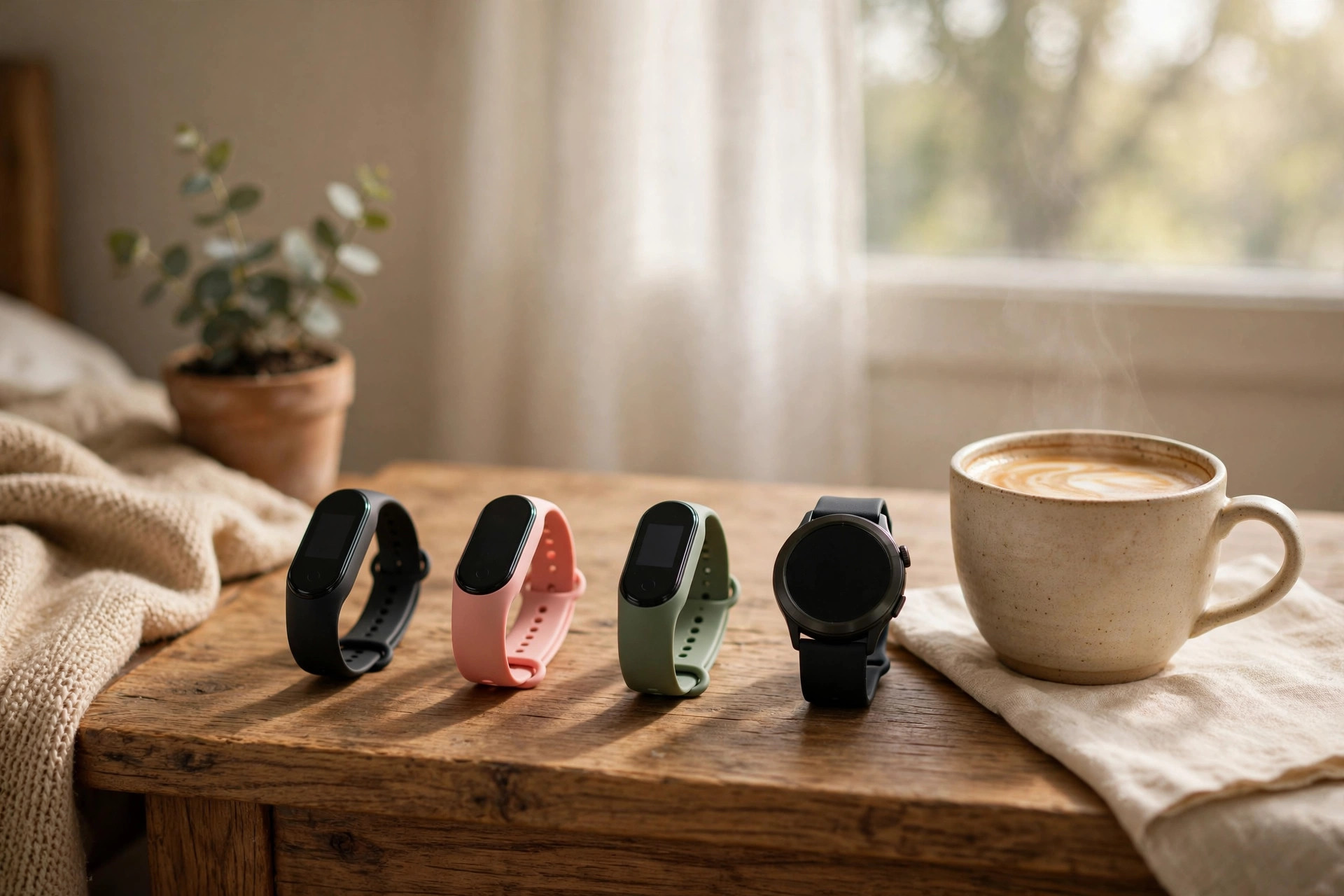
“Up to 36 hours” usually means a dimmed display, the always-on screen off, minimal notifications, and no GPS workouts. Turn on the always-on display — which is the point of a watch — add a GPS run, and many smartwatches lose a third to half of the advertised number. When I compared the claims against real-world tests with my settings, the gap was embarrassing. Garmin and basic Fitbit bands are the honest exceptions: their “two weeks” mostly holds because the screens are simpler.
Compare the battery figure “with always-on display” or “with GPS active,” not the headline number. And check the charging hardware: a proprietary charger means one lost puck is a $30 replacement and a week without your watch.
Then check the subscription tax. Several brands gate headline features — detailed sleep analysis, workout plans, safety alerts — behind a monthly fee. A $150 watch that needs $10 a month to unlock its best features costs $390 over two years. Factor that into the deal math before you compare prices.
Fit, bands, and when to buy
Wearables are the most size-sensitive tech you can buy, and it is the thing buyers check least. Case size matters less than the lugs and band design — but most brands offer two case sizes, and the smaller one often gets discounted harder because it sells slower.
Band compatibility is hidden deal math. Apple has kept band compatibility across generations for years, which makes last-gen watches cheaper to accessorize. Other brands change mounts every couple of years, which kills your $40 band collection with the watch. Already own bands? Check the mount before you switch brands.
Timing: Apple and Samsung discount in waves — early-November preview sales knock $50–80 off the current lineup, and Black Friday week, November 27, brings the floor prices on last-gen models. These are price-matched across every major retailer, so shop by return policy and bundle perks rather than hunting for a unique price. Garmin and Fitbit peak on Black Friday week itself — 20–35% off mid-tier Garmins, entry Fitbits at half price or better — with refurb and open-box deals appearing on Cyber Monday, November 30, which are often the deepest cuts of all in a category where the hardware barely changes. Whatever you buy, wear it for two weeks inside the return window: battery life, comfort, and whether you actually use the features are things no spec sheet can tell you.
Frequently asked questions
Apple Watch, Fitbit, or Garmin?
Match the watch to your phone: Apple Watch on iPhone, Wear OS or Fitbit on Android. Serious runners should buy Garmin regardless of phone.
Should I pay extra for a cellular smartwatch?
Almost certainly not: $50–100 more hardware plus about $10 a month for the line. GPS-only tracks runs, music, and heart rate fine — it just needs your phone nearby.
Why doesn’t battery life match the advertised number?
Claims are measured with the always-on display off and no GPS. Check real-world tests run with your display settings — many watches lose a third to half of the headline figure.