
Black Friday 2026 Fashion & Clothing Guide: Price Floors, the Outlet Trap, and the Fit-Check Rule
Fashion is Black Friday’s most-shopped category and its least honest one. The discounts are real — 40 to 70 percent off is normal November math — but so is the theater: half the “Black Friday exclusive” prices you will see are on items manufactured for the sale with cheaper construction, and the outlet tag showing 60 percent off often cites a retail price the item never sold at. November rewards shoppers who buy on specs, not percentages.
Here is how I would shop it: learn the three flavors of fashion pricing, know the real price floors, spot the outlet and lookalike traps, sort out sizing and returns before you click, stack the discounts nobody advertises, and buy at the right week. Black Friday is November 27, 2026; Cyber Monday is November 30.
How fashion sale pricing actually works
Fashion discounts come in three flavors, and only two of them are consistently real. True doorbusters are honest floor prices on recognizable items — the $79 puffer that sold for $129 all fall. Site-wide extra-percentage codes are the workhorse: an extra 30 to 40 percent off already-discounted items at the big apparel retailers, and the math is usually clean because the base prices were the October street prices.
The third flavor is theater: inflated was-prices nobody ever paid. If a sweater lists at $148 and has been 70 percent off since Labor Day, the real price is $44 — Black Friday has to beat $44, not $148. Track the items you want for a few weeks. The November price should be meaningfully below the October price, not just below a fantasy number.
Outlet pricing is a separate economy, not a sale. Plenty of outlet lines are manufactured specifically for outlets — cheaper fabrics, simpler construction, different fit — so a 60-percent-off tag means nothing without a comparison to the full-price line’s street price. The outlet piece is sometimes fine at its real price; the lie is the percentage.
Price tiers worth waiting for
Basics are the doorbuster kings: tees, underwear multipacks, and socks at $5 to $15 a unit, and multi-buy offers (buy three, get one free) stacked with a site-wide code push the per-unit price into silly territory. If you restock staples once a year, this is the once. I do the annual underwear run every November and have never found a cheaper month.
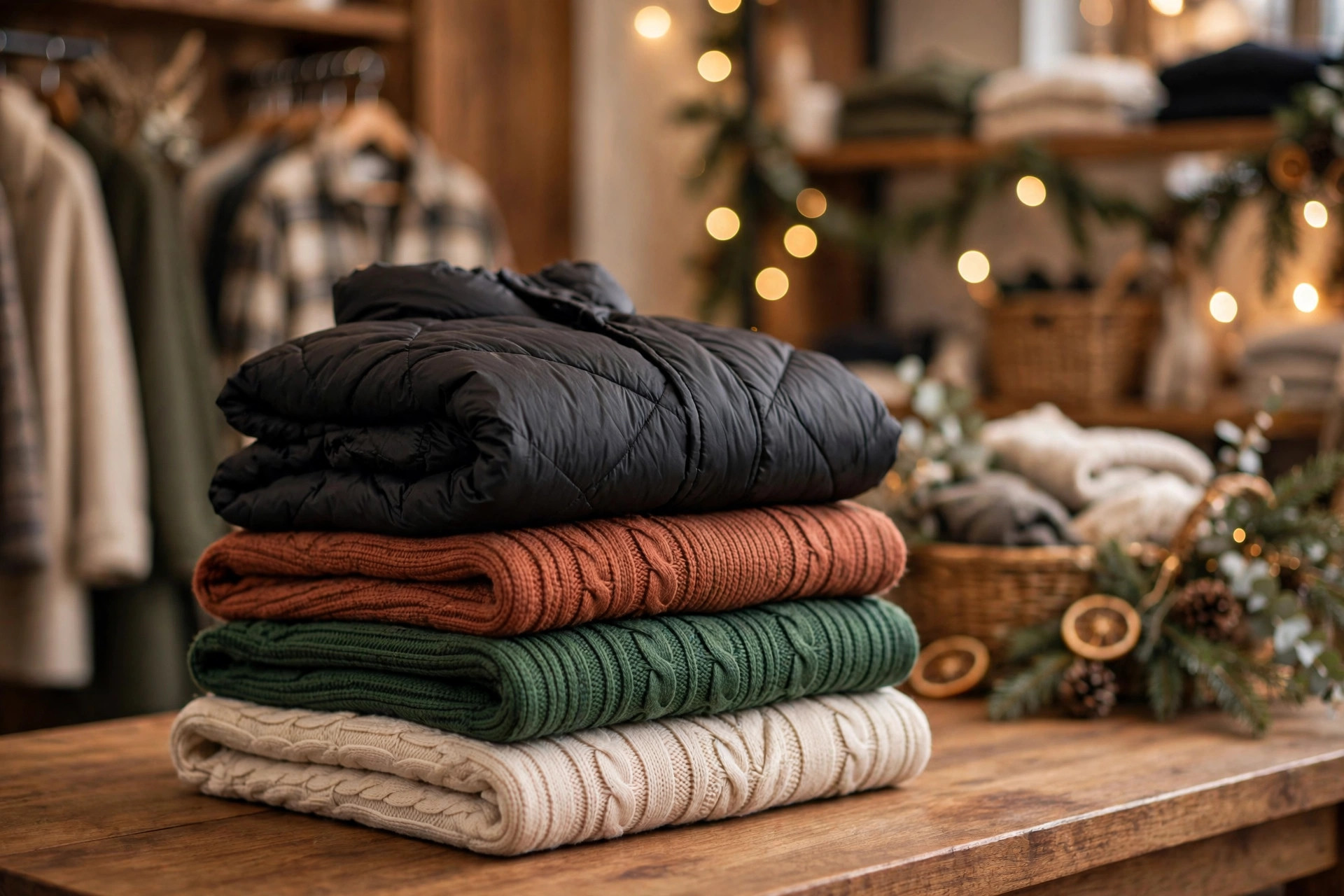
Mid-tier denim and sneakers are the sweet spot: jeans that sit at $80 to $120 fall to $50 to $80, and everyday sneakers drop 25 to 40 percent in last season’s colorways. Outerwear follows the same curve — a quality winter coat in the $150 to $250 range lands at $100 to $160. This is the tier where Black Friday earns its reputation, honestly.
Premium and designer play by different rules: 30 percent off is a genuine deal at the department-store level, and the discount-luxury sites stack extra codes on already-marked-down designer stock in November. The caution: deep cuts on current-season luxury from unfamiliar sites usually mean gray-market stock with no brand warranty. If the discount looks impossible, the provenance usually explains it.
The outlet trap and the “Black Friday exclusive” lookalike
The lookalike trap works like this: the jacket on the Black Friday flyer is identical to the one you tried on in October, except the SKU is one digit off — and the lining is polyester instead of quilted nylon, or the zipper is a cheaper pull. Retailers do this to protect full-price stock while advertising a jaw-dropping price. Compare SKUs, materials, and hardware. Not photos.
Outlet was-prices are the purest fiction in retail: a tag showing a retail price the item was never sold at, in a store that never carried it. Judge the garment in your hands instead — fabric weight, seam finishing, hardware — against the equivalent full-price piece. We have bought outlet pieces that were perfectly fine garments at their real price; the percentage was just theater.
The defense is the same as every other category: buy on specifications. Fabric composition, fill power on a down coat, sole construction on a shoe. These numbers tell you whether the $60 jacket is a deal or a disposable garment. A deal on something that falls apart in one season is not a deal.
Sizing, fit, and the return-window rule
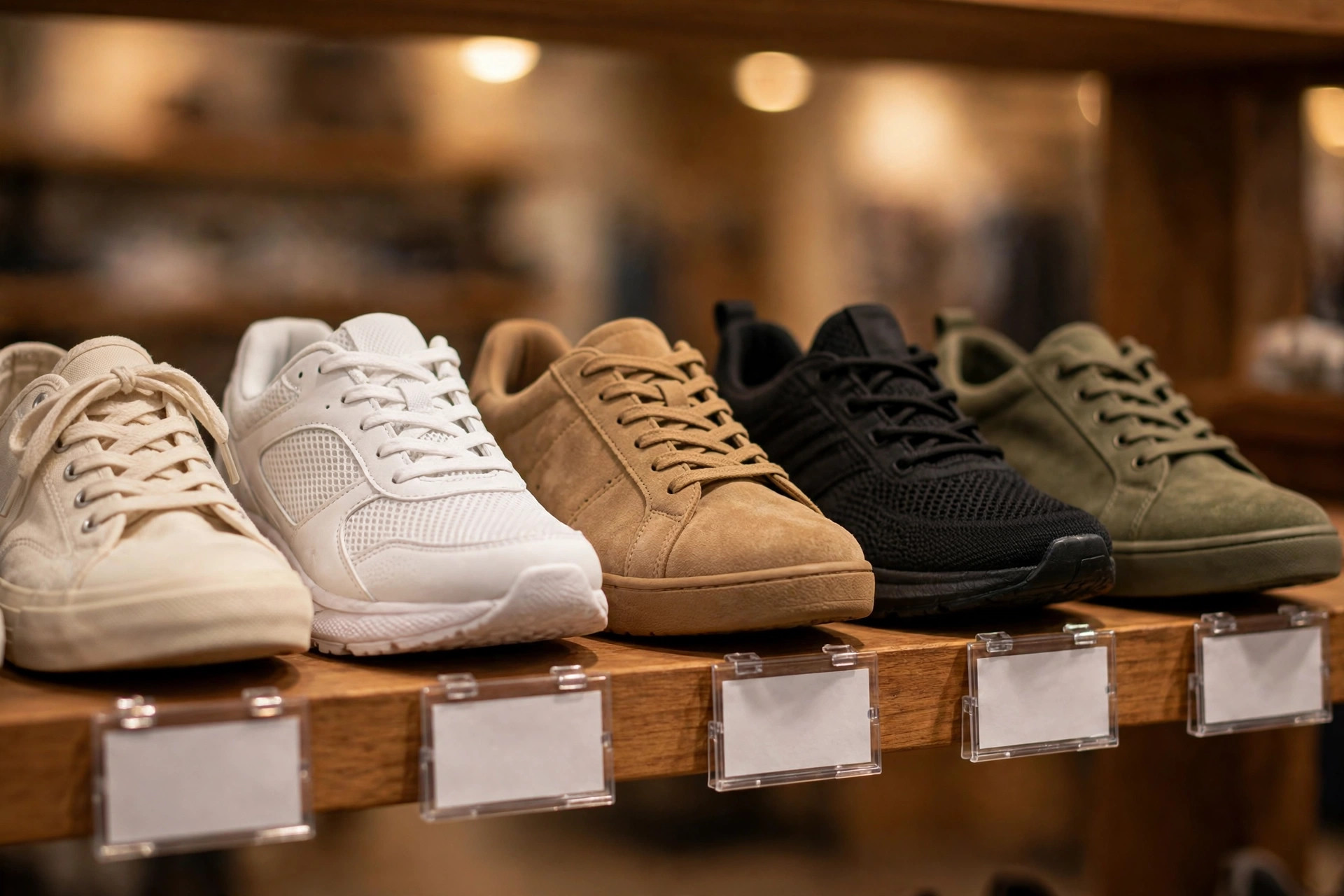
Sizing varies between models, not just between brands. A size 10 in one running shoe is a different shoe-length than a size 10 in another model from the same brand — I learned this the hard way with a December exchange that took three weeks. Read the model-specific size charts, check reviewer fit notes (“runs small” is data, not opinion), and when buying gifts, size up. An exchange is easy; a post-holiday gift-receipt return is a nightmare.
Buy early in November. The big retailers extend holiday return windows through January, so early buyers get full selection with the same return coverage as Black Friday-week buyers — and the popular sizes are gone by Thanksgiving.
The exception is final-sale clearance: the deepest doorbusters and extra-percentage clearance stacks usually cannot be returned at all. If the item cannot be tried on and cannot be returned, the price has to be low enough that a miss is acceptable. Check the return badge on the product page before buying, not after it arrives.
Stacking: codes, cashback, and gift cards
Never pay the listed sale price before checking the stack. The site-wide codes are advertised, but cashback portals quietly add another 5 to 15 percent at the big apparel retailers in November — and they stack on top of the codes. A $100 coat at 40 percent off with an extra 25 percent code and 10 percent cashback is not a $60 coat. It is a $40.50 coat. I run every cart over $50 through a portal now; it takes ninety seconds.
Discounted gift cards are the quietest stack: cards for the big department and fast-fashion retailers routinely sell at 5 to 10 percent off face value ahead of the holidays, and they combine with everything else. Buy the card first, then shop the sale.
The one stack that backfires: the store credit card signup. The 20 percent first-purchase discount is real, but the hard inquiry, the checkout upsell, and the card you never wanted make it the most expensive discount in retail. Take the public codes instead — honestly, they are usually within a few dollars of the card offer anyway.
Timing: when fashion goes on sale
Early-November preview sales are the sleeper window: holiday pricing with full size runs and normal shipping. Many apparel retailers launch Black Friday prices two to three weeks early, and for coats and boots in popular sizes, early means you actually get your size. The floor price is the same; the selection is not.
Black Friday week, November 27, is the doorbuster peak: the steepest advertised prices on basics, denim, and sneakers, plus the deepest extra-percentage codes. The trade-off is picked-over inventory in common sizes. If you know the exact item and size, shop early in the week.
Cyber Monday, November 30, favors online-only: fresh extra codes at digital-native brands, waived shipping thresholds, and site-wide events at retailers that sat out Friday. After that comes December clearance — the real bottom-feeder prices, but only for leftovers in the sizes nobody wanted. For anything you actually want to wear, November is the buy month.
Frequently asked questions
Are Black Friday clothing sales actually good deals?
Yes for mid-tier basics, denim, sneakers, and outerwear — November doorbusters and site-wide codes routinely beat January prices by 10 to 20 percent. Flagship luxury and hyped sneakers rarely discount meaningfully before December clearance, and selection is thin by then.
Should I buy shoes during Black Friday?
Yes — it is the year’s best shoe sale. Last season’s sneaker colorways and running models drop 25 to 40 percent, and winter boots hit their floor. Check model-specific size charts (sizing varies by model, not just brand), and note that clearance doorbusters are usually final sale.
What is the return-policy trap for holiday clothing?
Buy early in November: most big retailers extend returns through January, so early buyers get the best selection with the same window. The trap is final-sale clearance — doorbusters and extra-deep cuts often cannot be returned at all, so confirm the policy before buying the $19 coat.