
Black Friday 2026 Kids' Toys Gift Guide: What to Buy and What to Pay
Toys are the one Black Friday category where the real risk is not overpaying, it is missing out entirely. The hottest toys sell out in October and never come back, while the deepest discounts land on toys nobody asked for. I've shopped this category for my own kids for years, and the pattern never changes.
Here is the honest playbook: shop by age, not by hype; learn the price tiers so a real cut is obvious; buy the hot stuff early and let the return policy be your safety net. And watch the knockoffs: this is the category where "looks the same" absolutely does not mean "is the same."
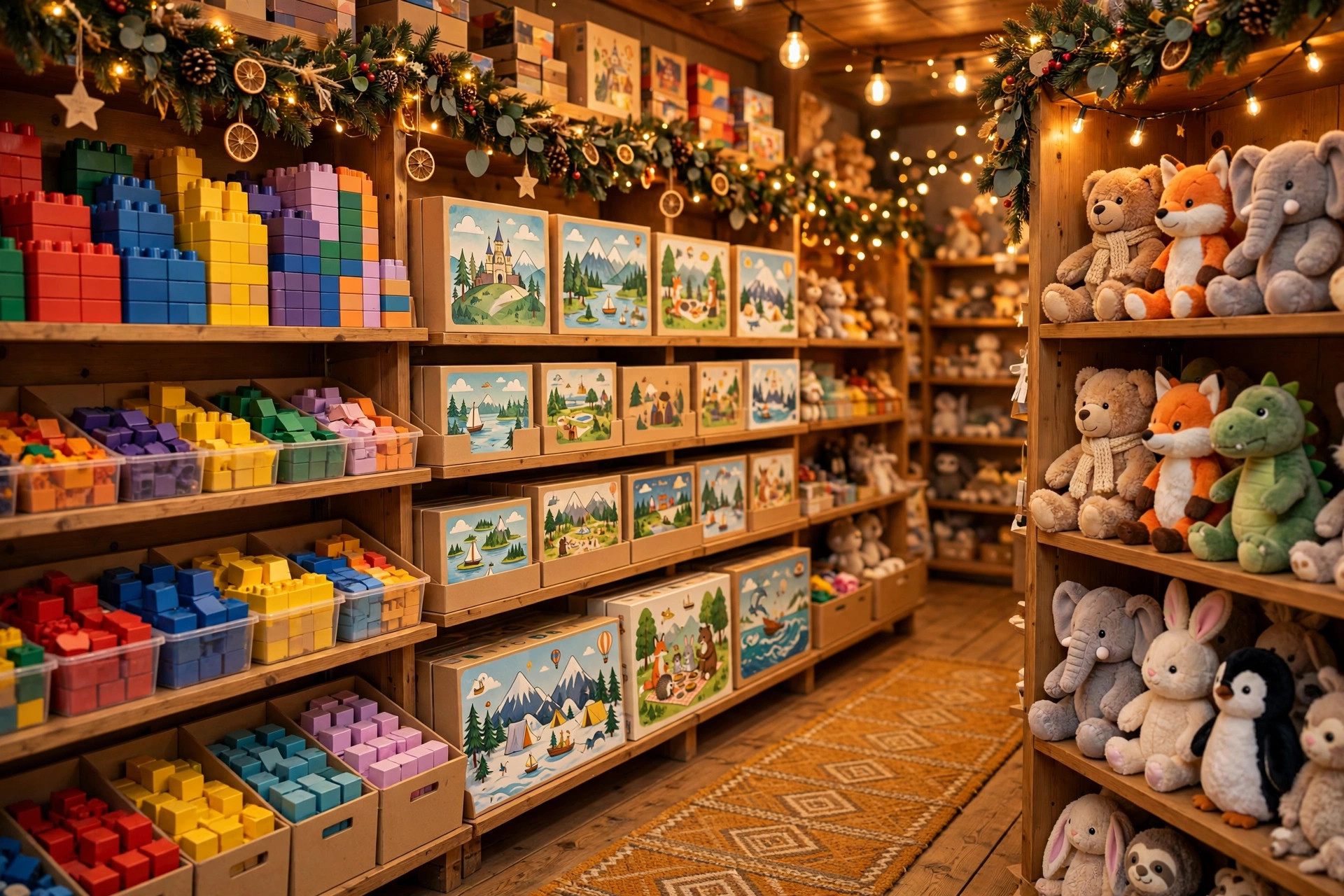
Shop by age, not by hype
Buying by age band beats buying by hype. Toddlers (1 to 3) do best with sturdy, washable play: wooden blocks, push toys, simple puzzles. Preschool (3 to 5) is the golden age of imaginative play: play kitchens, magnetic tiles, art supplies. School age (6 to 9) wants building: construction sets, STEM kits, craft sets. Tweens (10 and up) shift toward hobbies and tech: drones, robotics kits, games, sports gear.
Write down one or two ideas per child by age band before you look at any ad. I do this every year on a sticky note, and it turns the chaos of holiday toy ads into a search problem: you know what you are hunting, so a real discount on it is obvious and everything else is noise.
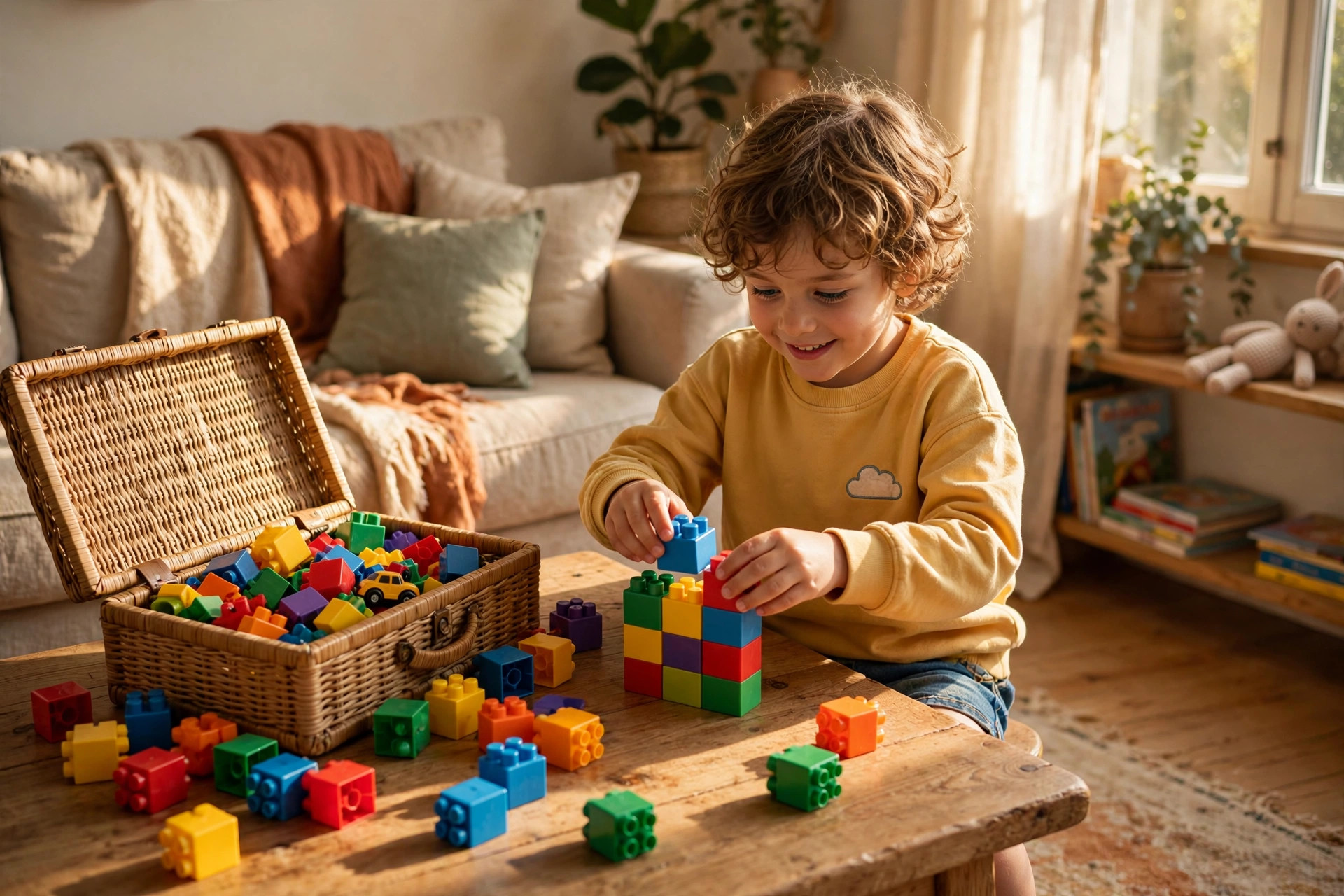
The price tiers worth waiting for
Toy pricing follows a pattern every season. Name-brand building sets typically land 20 to 30% below regular price at their lowest, and deeper cuts usually mean the set is being discontinued, which is fine for a gift but worth knowing. Hot interactive toys in the $40 to $70 range see their first real markdowns in early November, with the deepest cuts on Black Friday week itself.
The sub-$25 tier is the volume battleground: board games, craft kits, and outdoor toys routinely drop to half price, and classroom multi-packs bottom out here. Above $100, ride-ons, big playsets, robotics kits, watch for bundled extras (free batteries, bonus accessories) rather than just price cuts; the bundle is often the better deal.
Set your target from the regular street price, not the retailer "was" price. A toy that sold at $49 all year is not a deal at $39 with "was $79", but it is a deal at $34. I have watched the same "deal" get re-listed at the same price three weeks running; dealrim timestamps every deal, so you can tell a fresh cut from stale theater.
The knockoff test
Holiday toy ads are full of products that look like the brand kids asked for at a fraction of the price. "Compatible" building blocks, off-brand tablets, and lookalike character toys flood the marketplaces each November. Some are decent; many are not: clutch strength, battery life, and durability are where the knockoffs cut corners.
If the child asked for a specific brand, the knockoff will be noticed. If they did not, compare reviews: a no-name brand with thousands of recent, specific reviews can be a genuine value, while one with a few dozen generic reviews is a gamble. Check what "compatible with" actually means before assuming the pieces fit the sets the child already owns.
Safety first, always: cheap electrical toys and button-battery gadgets from unknown brands carry real risk. I only buy known manufacturers for anything that plugs in, charges, or goes near a small child's mouth, and I search the exact product name plus "recall" before buying, especially for marketplace listings.
The sellout rule: buy early, price-adjust later
The hottest toys of the season, the ones on every "top toys" list, routinely sell out in October or early November and stay gone. If a must-have toy hits an acceptable price, buy it. Waiting for Black Friday on a hot toy usually means watching it go out of stock, not down in price.
The hedge: buy early from a retailer with a price-adjustment or generous return policy. If the price drops later, you get the difference back or rebuy; if it sells out, you already have the gift. This turns a stressful bet into a free option. I have done this three years running and never once regretted it.
This is the opposite of the electronics advice: TVs and laptops reward patience, toys punish it. Only the non-hot toys, the staples that are always available, follow the normal wait-for-the-sale logic.
Timing it: what to buy when
October is for must-have hot toys: buy at the first acceptable price and let the return policy be your hedge. Early November preview sales are where the broad 20 to 30% cuts on name-brand toys appear, and this is the round I do most of my own shopping. Black Friday week itself is best for the sub-$25 stocking-stuffer tier and clearance of last season's leftovers; Cyber Monday, November 30, favors online-exclusive deals and marketplace lightning rounds, but the hot toys are usually long gone by then.
Verify the deal the same way every time: the exact product (character, size, and set number, because toy SKUs fragment even worse than laptop model numbers), a price below the street price rather than the "was" price, and a retailer with a real return window. A toy that breaks on day two is not a deal at any price. For the full seasonal timing picture, see our 2026 holiday deal calendar.
Frequently asked questions
When should I buy the season's hot toys?
As soon as you find them in stock. Buy early from a retailer with a price-adjustment or generous return policy, because hot toys that sell out in October do not come back for Black Friday.
How do I spot knockoff toys?
Beware "compatible" brands and lookalikes that mimic the real packaging at half the price. Check for recalls and safety certifications, especially around button batteries and small magnets, before buying anything that plugs in or goes near a small child's mouth.
What are the best Black Friday toy deals?
Building sets at 25 to 40% off, board games at half price, and last season's outdoor toys on clearance are the reliable annual wins. The sub-$25 tier sees the steepest, most dependable cuts of the season.