
Black Friday 2026 Luggage & Travel Deals: Buy the Right Bag (and the Traps to Skip)
Nobody thinks about luggage until a wheel snaps off in terminal B. Then it becomes the most urgent purchase of the year — and November is quietly the cheapest month to make it. Luggage is one of the most honestly discounted Black Friday categories: bulky summer inventory has to move before holiday shipments arrive, so mid-tier bags that held their price all year drop a real 30–50%.
Here is how I’d shop it: the carry-on sizing rule that decides whether your bag flies free, hard-shell vs soft-side by trip type, why wheels and zippers matter more than the shell, the price floors worth waiting for, and the Cyber Monday flight playbook for November 30. Black Friday is November 27, 2026; Cyber Monday is November 30.
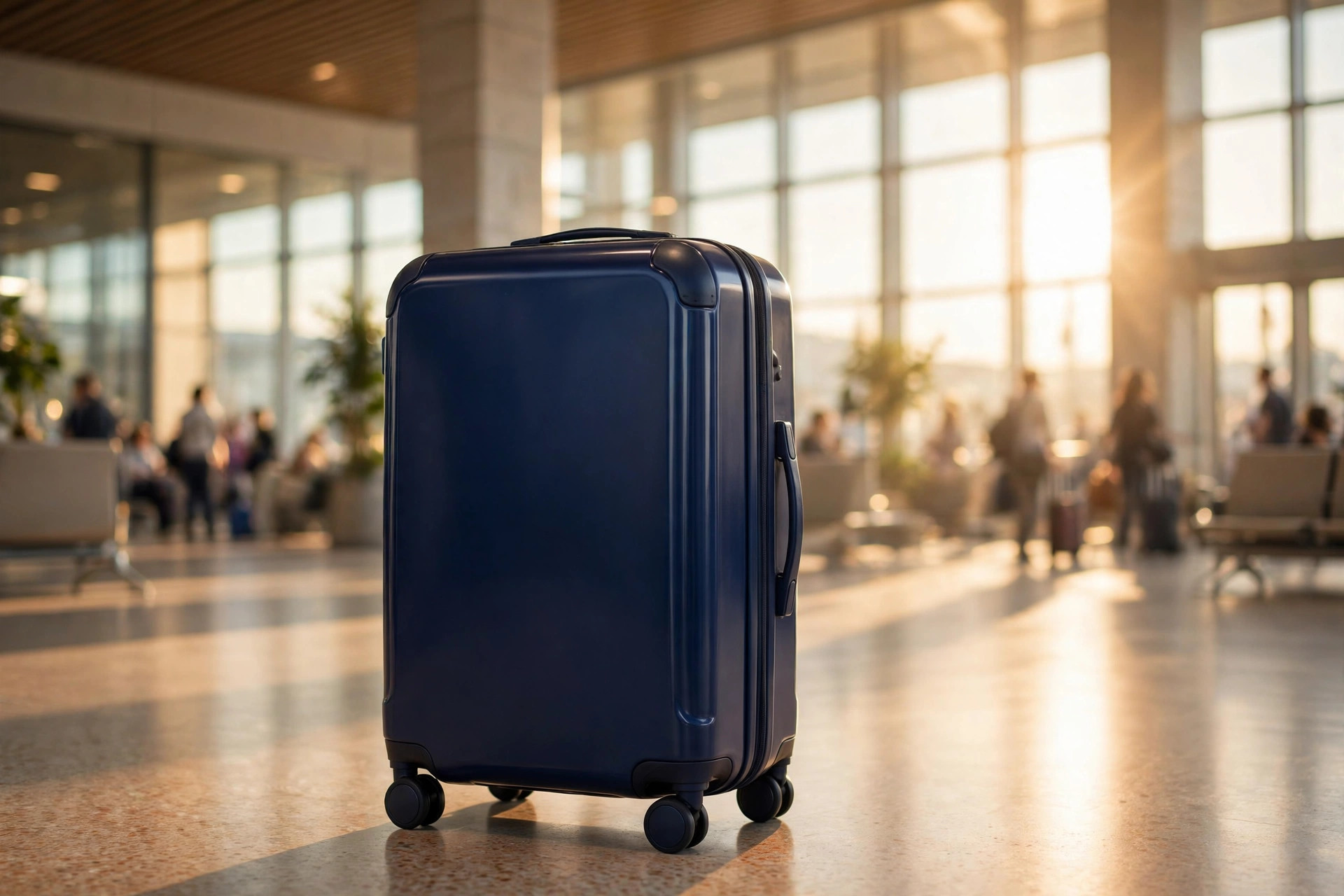
Why November is honestly luggage month
Luggage is bulky, and warehouses need the floor space for holiday shipments — so summer-travel inventory has to move, and the discounts are real. In my experience this is the rare category where the street price actually moves: the mid-tier carry-on that sat at $150 all year really is $99 during Black Friday week, not a fantasy MSRP crossed out at the last minute.
The timing splits in two. The bag floors on Black Friday week, November 27 — physical goods, like every other category. The trip books on Cyber Monday, November 30, which the travel industry treats as its own sale day. Shop the bag Friday, book the trip Monday.
The carry-on sizing rule that decides everything
Start with the trip, not the sale. For most travelers the 22-inch spinner carry-on is the one bag that matters — it flies free on domestic flights and takes 90% of the abuse, so buy it first and buy it well. The 26–28 inch checked bag is the second purchase, for family trips and long hauls.
Now the part that gets people: airlines measure the wheels and handles, not just the case. A “22-inch” bag is often 24 inches with hardware — and it will not fit the metal sizer at the gate, which means a gate-check fee and a lost carry-on. The standard US domestic limit is 22 x 14 x 9 inches including hardware. If the listing hides the with-hardware dimensions, measure the packed bag yourself with a tape measure before you trust it.
Hard-shell vs soft-side is a real tradeoff. Hard-shell (polycarbonate, not ABS — ABS cracks in the cold) shrugs off rain and baggage handlers; soft-side gives you the expander and the front pocket for the laptop and liquids at security. If you check the bag, hard-shell wins. If you live carry-on-only, the expander is the feature you will use weekly. Spinner wheels for airports; on cobblestones and curbs, the two-wheeler’s bigger wheels win. And check the weight: a 7-pound carry-on leaves you more room before the 50-pound checked limit and its $75–150 fee.
Wheels and zippers are the whole bag
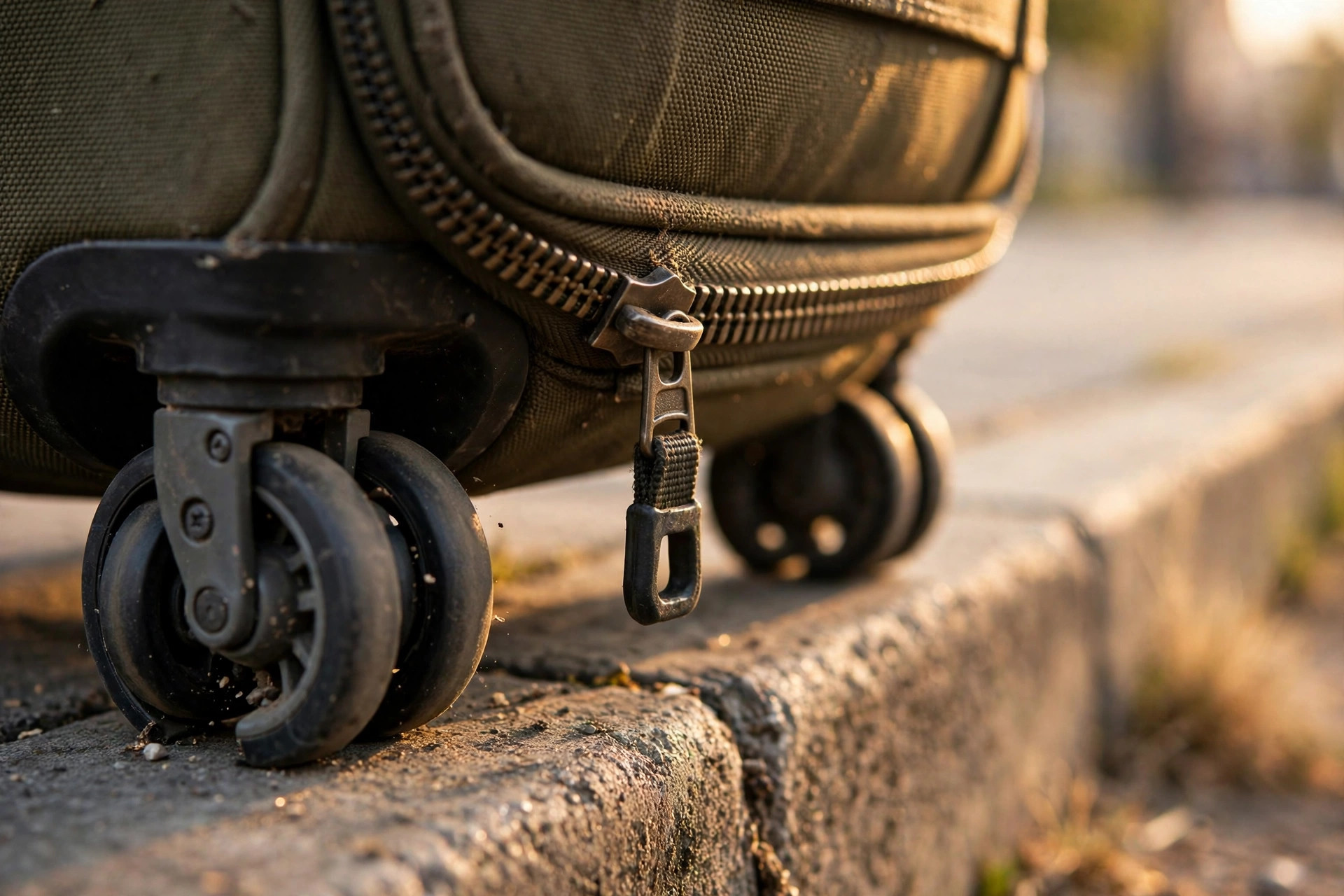
I learned this the hard way when a wheel snapped off in terminal B: shells almost never fail first — wheels and zippers do. Double spinner wheels in recessed housings survive curbs; single exposed wheels do not. For zippers, look for chunky self-healing ones from a named maker; the coil zippers on cheap bags split under a packed load.
A bag with great wheels and zippers and an ordinary shell outlasts a pretty shell with cheap hardware every single time. When I compare two bags now, I flip them over and look at the wheels first — that ten-second check has saved me more money than any sale price ever has.
What to spend: the real price floors
Carry-on spinners: the budget tier ($60–100) gets you through a few years; the mid-tier ($100–180) is the sweet spot — polycarbonate shells, real spinner wheels, decent zippers, and the deepest November cuts; premium ($250–400) buys build quality and warranty, with the shallowest discounts. Mid-tier checked bags run $90–160.
Skip the under-$50 tier entirely: thin ABS, single wheels, zippers that fail on trip two. A $45 bag replaced twice costs more than the $120 mid-tier bag that lasts ten years — luggage is one of the categories where buying once genuinely beats buying twice.
Prior-season colors are the sleeper deal. Makers refresh colors yearly, so last year’s navy at 30–40% off is the same bag as this year’s forest green at full price. And do the per-bag math on sets: a three-piece set at $200–350 is a deal only when the two bags you would buy anyway cost more separately — skip the ones padded with cubes and toiletry bags.
Flights on Monday, bags on Friday
Cyber Monday, November 30, is genuinely the travel industry’s biggest sale day — airlines, hotels, cruise lines, and booking sites all run their biggest promos. But a “deal fare” is often just an advance-purchase fare with a ribbon on it. Set fare alerts now for every trip you are considering and judge Monday’s price against the fare you tracked — not the crossed-out “was” fare.
Do the all-in math before comparing, every time. A $40-cheaper fare on an airline that charges $35 per checked bag each way is $30 more expensive than the fare that includes the bag — baggage fees erase more “deals” than anything else in travel. And read the flexibility fine print: the cheapest Monday fares are usually no-change, no-refund basic-economy-style. Fine if your dates are certain; a disaster if they might move.
The timing split: buy holiday flights before November. Thanksgiving and Christmas fares climb as seats fill, and no Monday sale beats an October fare bought at the right time. Cyber Monday is for the trips after the holidays — spring break, late winter, next summer. And know that the travel stack is thinner than the luggage stack: cashback portals often exclude travel or pay 1–2%, so book with a travel card in its bonus category and pay with discounted airline or hotel gift cards from November’s gift-card sales.
Frequently asked questions
What carry-on size actually fits US airline sizers?
22 by 14 by 9 inches, including wheels and handles — that last part is what gets people. Measure the packed bag with a tape measure, hardware included, before you trust the listing. If it does not fit the gate sizer, it flies checked at the gate-check fee. International limits are often smaller, around 21 inches.
Should I buy a luggage set or single pieces?
Only if you need two or more real bags. A three-piece set at $200–350 is a genuine deal when the two bags you would buy anyway cost more separately. Skip sets padded with packing cubes — do the per-bag math on what you will actually use. Check prior-season colors first: last year’s pattern at 30–40% off is the same bag.
Are Cyber Monday flight deals real?
Yes — it is genuinely the travel industry’s biggest sale day. But compare against the fare you tracked with a price alert, not the crossed-out was-price, and do the all-in math: baggage fees and seat-selection charges erase more deal fares than anything else. Book holiday flights before November; use Monday’s sale for spring and summer trips.