
Black Friday 2026 Jewelry & Watches Guide: Real Savings on Gold, Diamonds, and Timepieces
Jewelry is the category where Black Friday discounts look the biggest and mean the least. A 70% off sign on a diamond necklace sounds enormous — until you learn the “was” price was inflated two or three times over before the sale started. That doesn’t mean there are no real jewelry deals in November. There are, and some are the highest-dollar savings of the whole season.
I’ve spent enough Novembers comparing jewelry specs across sellers to have strong opinions about this. Here’s the short version: how the pricing actually works, what’s worth buying at each tier, the watch-buying rules, where the genuine savings hide, and the timing. Black Friday is November 27, 2026; Cyber Monday is November 30.
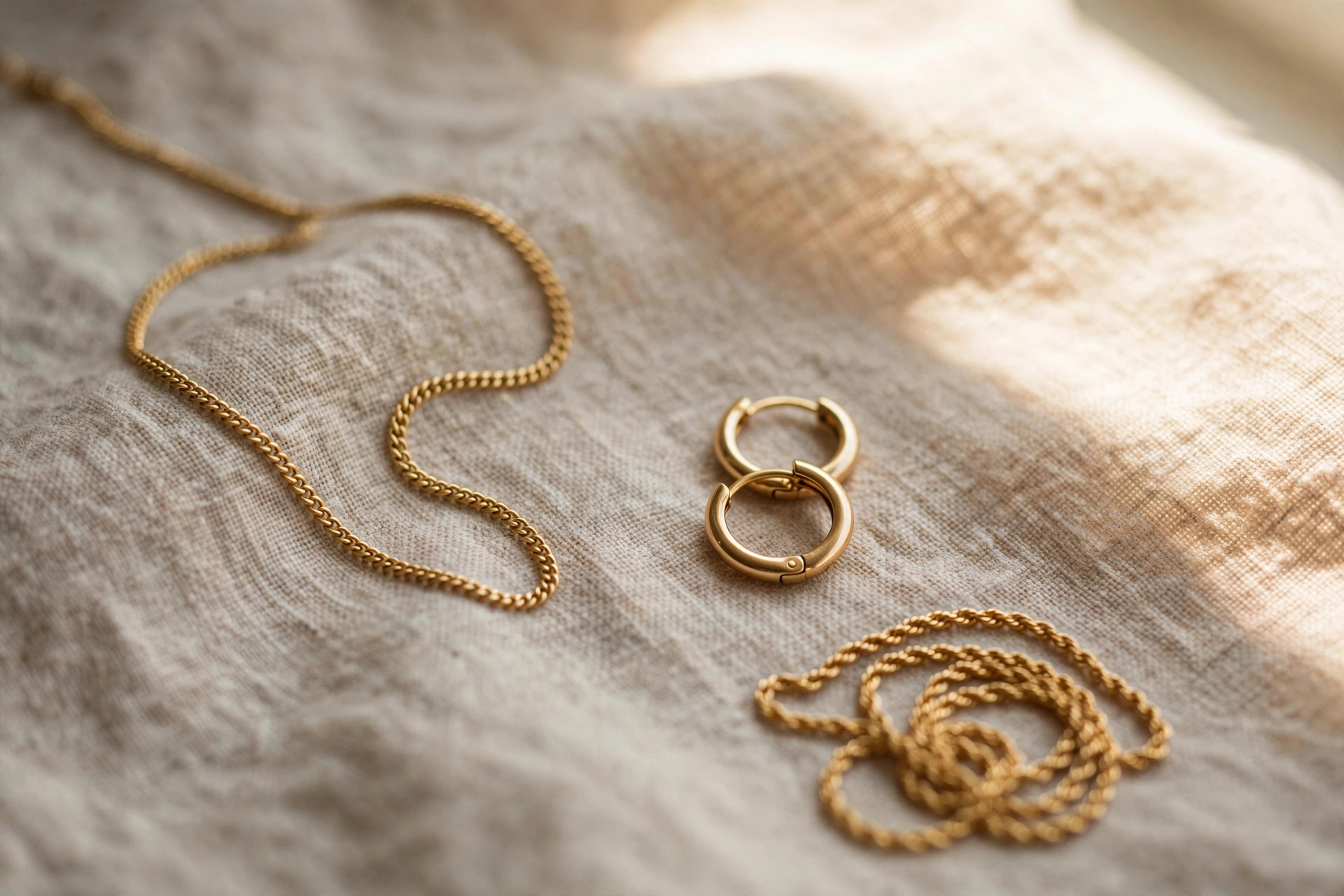
The discount is fiction — the price is the signal
Jewelry sticker prices have almost no relationship to product cost. Traditional jewelers work on keystone-plus markups — a $200 piece routinely retails at $800–$1,200. So the “70% off Black Friday sale” at $360 isn’t a fire sale. It’s the real price, briefly visible. The discount percentage is theater; the dollar price is the only signal worth reading.
Gold is the exception, because gold has a public price. The spot price is quoted worldwide, and a 14k chain has a known melt value — 14k is 58.3% pure gold, so a 10-gram 14k chain holds 5.83 grams of fine gold. Real deals show up as smaller premiums over melt value, not bigger percentages off an invented “was” price. When a seller won’t tell you the gram weight or the karat, they’re hiding the only number that matters. I’ve walked away from more “deals” over missing gram weights than over any other single red flag.
Diamonds are murkier, and that’s where most traps live. Natural diamonds have no public price; lab-grown diamonds do the same visual job at 70–90% less and keep getting cheaper. “Diamond-accent” marketing hides tiny, low-grade melee stones in a big setting — the headline carat weight spread across dozens of stones with almost no resale value. Shop the 4 Cs on the center stone (cut first), get a GIA or IGI certificate on anything over half a carat, and treat uncertified stones as costume jewelry.
What to buy at each price tier
Under $100 is sterling silver and gold-plated territory: simple silver chains, gold-filled studs, plated pendants. The metals are honest here — silver is silver — so shop construction (soldered links, secure clasps, hypoallergenic posts) rather than brand. Black Friday cuts are real but shallow, 20–30%, because margins are already thin.
The $100–400 band is where Black Friday jewelry earns its reputation: 14k gold basics (chains, hoops, simple pendants), lab-grown diamond studs in the 0.5–1.0 carat total range, and entry automatic watches from honest Japanese and Swiss-value brands. Online specialists undercut mall jewelers by 40–60% on identical specs here, so don’t hunt a percentage — compare the same materials across three sellers. In my experience, the cheapest of the three is obvious within five minutes.
The $400–1,500 band is fine jewelry and real watches: 14k/18k gold with meaningful stones, lab-grown solitaires in the 1–2 carat range, entry luxury watches. At this tier, get everything appraised independently, and buy only from sellers with real return policies (30 days, no restocking fee).
Above $1,500 you’re buying for love, not for a discount. Black Friday rarely improves true-luxury prices — the brands forbid discounting — and “gray market” savings come with warranty fine print (manufacturer warranties often don’t transfer through unauthorized dealers). If the deal is more than 15% below every authorized price, you’re not buying a deal. You’re buying a question mark.
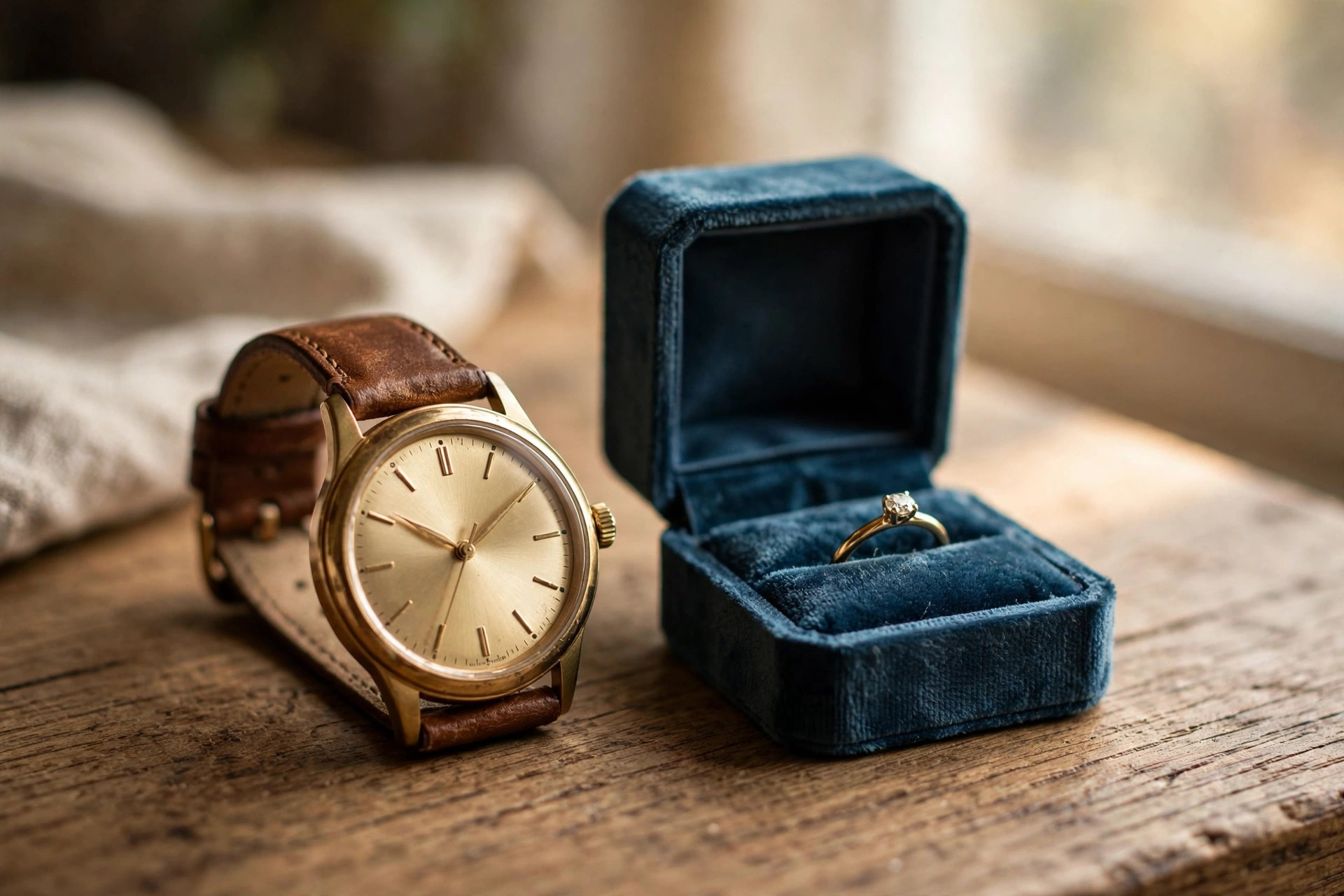
Watches: the movement sets the price floor
Start with the movement, because it sets the price floor. Quartz (battery-powered) watches are accurate, cheap to make, and honest: a $150–300 quartz watch from an established brand is a fine purchase, and Black Friday discounts on them are real. Automatic watches are jewelry that tells time — never pay automatic money for quartz guts. Check the movement caliber before you check the price.
The value sweet spot is entry automatics from brands with real horological credentials: Japanese automatics in the $200–500 range, Swiss-value pieces in the $500–1,200 range. These are the watches where Black Friday actually discounts the watch rather than the marketing — the movements are standardized, street prices are public, and a 20–30% cut is a genuine 20–30% cut.
The gray market (authorized-model watches through unauthorized dealers) is the watch equivalent of a refurbished sleeper deal: 20–40% below retail on genuine watches, but the manufacturer warranty usually doesn’t apply — you get the dealer’s warranty instead. Fair on a $400 watch from an established dealer; bad on a $5,000 one where the warranty is worth more than the discount. Buy gray market only from long-established dealers — never from marketplace listings or social-media ads.
The traps: theater pricing, mall financing, and stone bait
The inflated “was” price is the master trap, and it’s worse in jewelry than anywhere else: a pendant “was $1,200, now $360” was never $1,200 to anyone. Your defenses are the gold gram-weight check (compute melt value and compare), the lab-diamond per-carat check against two independent sellers, and the 30-day rule from our spot-a-real-deal guide — if you can’t verify the price history, the discount is fiction.
The mall-jeweler financing trap is the second: 0% for 12 months on a $2,000 ring worth $700 in materials, with deferred interest that detonates if you miss the payoff date. Jewelry bought on credit is jewelry bought at full theater price plus interest. If you need financing for the ring, the ring is too expensive — buy the smaller stone, not the bigger payment plan.
The accent-stone bait is the third: “1 carat total weight” spread across 40 tiny stones in a halo, “chocolate diamonds” (brown industrial-grade stones rebranded), and “created” stones priced like the real thing. Total weight is not center-stone weight, and “genuine” describes authenticity, not quality. A well-cut 0.5-carat solitaire beats a 1.5-carat cluster of gravel every time.
Where the real savings hide, and when to buy
Online jewelry specialists are where real discounts appear first: they run on thinner margins than mall stores year-round, so their Black Friday cuts — typically 20–35% on already-low prices — are genuine. Compare the same spec across two or three specialists.
Warehouse clubs are the sleeper channel: certified diamonds and gold at near-wholesale premiums, often the lowest legitimate prices of the year. The selection is narrow and classic — perfect for solitaires, studs, and simple gold. I’ve seen club prices beat online specialists on certified studs more than once.
Estate and vintage pieces deserve a mention: November is when estate jewelers run their own sales, and pre-owned fine jewelry routinely sells at 40–60% below the equivalent new piece because the retail markup evaporates on resale. Same gold, same carbon — but buy only from dealers with independent certification and a real return window.
Timing: custom pieces should be ordered by early November — jewelers need 3–6 weeks, and rush fees erase any sale discount. Black Friday week, November 27, is when the floors land on everything standard: gold basics, lab-diamond studs, entry automatics. Popular sizes sell through, and unlike TVs, jewelers don’t restock the good pieces in December. Cyber Monday, November 30, is the cleanup round — site-wide codes stack at online specialists. Buy the jewelry early, wear it to the party.
Frequently asked questions
Are Black Friday jewelry deals real?
Sometimes — but judge the price, never the percentage. “Was” prices are routinely inflated 2–3x before November, so 70% off can still be full price. Compare the sale price against independent jewelers selling the same materials (14k gold per gram, lab diamonds per carat), not against the store’s own “was” price.
What is the safest jewelry buy on Black Friday?
Simple 14k gold chains and pendants from reputable online specialists. Gold pricing is anchored to a public spot price, so real discounts show up as smaller premiums over melt value rather than theatrical percentages. Skip “diamond-accent” pendants where the stone quality is unspecified.
Should I buy a watch on Black Friday or wait?
Buy established models on Black Friday week if the price checks out against recent street prices — popular watches rarely get cheaper later. Avoid hype pricing, limited-edition FOMO, and no-name smartwatches dressed as luxury. Never buy a “luxury” watch from a marketplace seller you can’t trace.