
Black Friday 2026 Smart Home Guide: Speakers, Doorbells, Robot Vacuums, and More
Smart home is the category Black Friday was built for. The big first-party brands sell their own speakers, displays, and doorbells at or below cost to pull you into their ecosystem — the discounts are among the deepest and most genuine of the season. In my experience, this is the one category where the headline 30–50% off is usually real, not theater.
But cheap hardware can hide expensive fine print: monthly subscriptions, stripped-down exclusive models, and gadgets that refuse to talk to the gear you already own. I've bought enough of this stuff to know where the traps are. Here's the deal-hunter version.
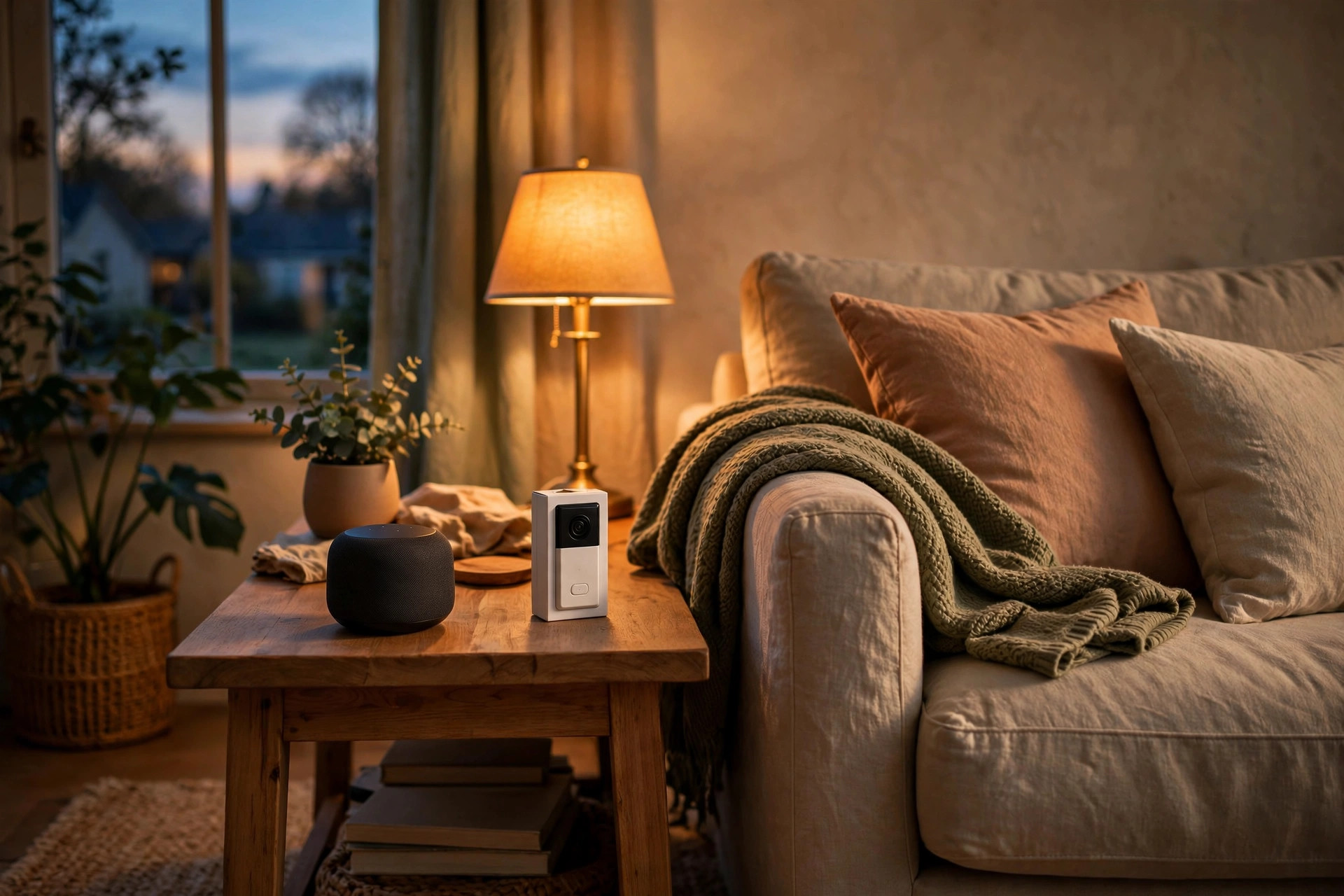
Why the discounts are real here
Most Black Friday "deals" are retailers clearing inventory. Smart home is different: the big first-party brands subsidize their own hardware because the real product is the ecosystem — once you have the speaker, you buy the music plan, the doorbell, the thermostat. That means the headline discounts (often 30–50% off) are funded by the manufacturer and are as real as they look.
The catch is that subsidized prices come with subsidized fine print. Read every smart-home deal as two prices: the hardware price today and the running cost over the next two years. A $35 speaker that needs a $10/month subscription to do anything useful is a $275 speaker. I learned this the hard way with a doorbell whose "free" cloud trial quietly became an $8/month line item.
Smart speakers and displays: buy last generation
New speaker and display models launch in the fall — right before Black Friday — at full price. The previous generation, functionally nearly identical for music, alarms, and voice control, then drops 40–50%. The speaker I actually use every day is the outgoing model; I paid half price and have never once wished for the newer one.
Check the exact generation before you buy. Retailers list old and new models side by side with similar names and very different discounts. And dodge the "Black Friday exclusive" bundle — a stripped-down model number sold only during the sale. It exists to advertise a low price, not to give you the device everyone wants.
For audio-first listening, the rules from our Black Friday headphones guide apply: sound quality per dollar is what matters, and this is when last-gen hardware clears.
Video doorbells and cameras: the subscription trap
This is where the two-price rule bites hardest. Many doorbells and cameras are sold cheap precisely because the cloud recording plan costs $3–10 a month forever. Over three years, the subscription can cost more than the hardware. Before you buy, check whether the device works with local storage (a microSD slot or a home base) so you can opt out of the monthly fee.
Compatibility is the other trap. A doorbell that only works inside one ecosystem locks you into that ecosystem for every future device. If you already own gear, buy within the ecosystem you have — or buy camera brands that support open standards (ONVIF, RTSP) so you're not hostage to one company's pricing. When I tested doorbells a couple of years back, the "works with" badges were the first thing I checked, and they saved me from a very pretty paperweight.
Watch the feature paywalls too: person detection, package alerts, and 24/7 recording are increasingly subscription-only. The hardware discount is real; the total cost of ownership is what you're actually buying.
Robot vacuums: the specs that actually matter
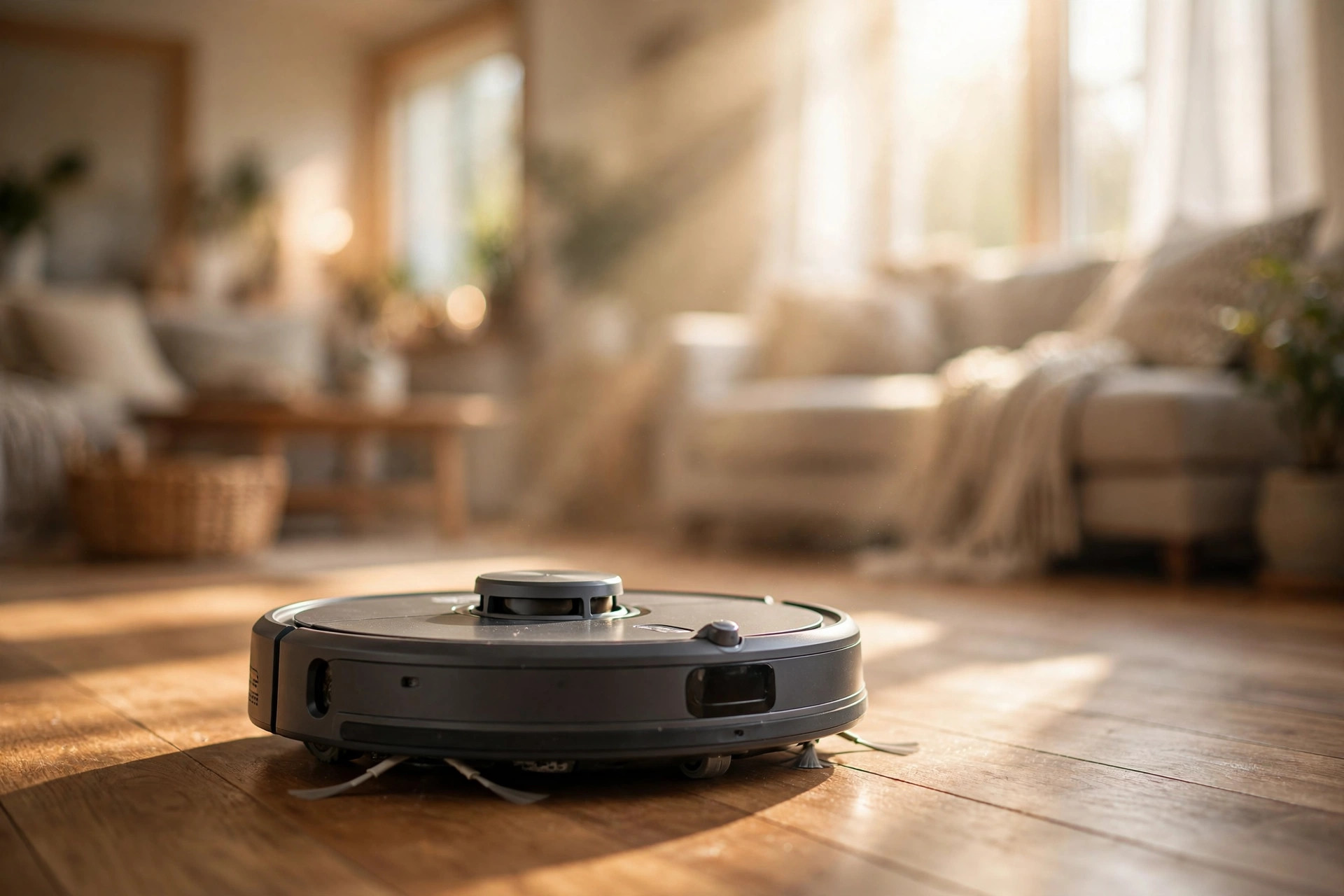
Robot vacuum prices collapse on Black Friday — flagship models routinely drop $200 or more — because the mid-tier has gotten so good that last year's premium is this year's mid-range. The specs that matter: LiDAR navigation (bump-navigation models miss rooms and get stuck; LiDAR maps your home properly), and obstacle avoidance if you have pets. I've run a LiDAR model for two years now, and the map it built on day one is still the reason it doesn't eat my cables.
Do the self-empty base math: the auto-empty dock often costs as much as the vacuum itself, and replacement dust bags and filters are a recurring cost. A $250 vacuum with a $200 dock and $60/year in consumables is a $700 decision over three years. Buy the dock only if you genuinely hate emptying the bin — the vacuum itself is the deal.
The sweet spot is the previous flagship: last year's $600 model at $300–350 beats this year's $300 model on navigation and build quality. Avoid no-name brands with no replacement parts — a vacuum you can't buy filters for is disposable.
Thermostats, locks, lighting — and when to buy
Thermostats are the quietest great deal in the category: they go on sale, and many utilities stack their own $50–100 rebates on top of the Black Friday price, which can make a smart thermostat effectively free. Check your utility rebate page before you buy — the rebate plus the sale is the real price.
For locks, lighting, and plugs, compatibility beats price. The industry has converged on the Matter standard with Thread radios — buy Matter-compatible devices and they work across ecosystems instead of locking you into one. Multi-packs of bulbs or plugs are almost always cheaper per unit, but only buy the pack size you'll actually install. A 4-pack at $10 per bulb isn't a deal if three bulbs sit in a drawer.
Timing: first-party speaker and display deals start in the early-November preview sales and rarely deepen — buy when you see 40%+ off. Doorbells, cameras, and robot vacuums peak on Black Friday week itself, November 27, and trickle into Cyber Monday, November 30. And run the privacy checklist on everything you bring home: change default passwords, turn on two-factor, check camera data-retention settings before the device goes live. The cheapest device in the category is the one that doesn't leak your living room.
Frequently asked questions
Why are smart home discounts so deep?
First-party brands subsidize hardware to win your home. Use the two-price rule: compare the hardware price against the two-year running cost including any subscriptions.
What is the video-doorbell subscription trap?
The camera is cheap; the cloud storage plan is the real price. Add the subscription cost to the hardware before deciding whether the deal is good.
What robot vacuum specs actually matter?
LiDAR navigation and the self-empty base math. Suction numbers and "AI" marketing matter far less than mapping accuracy and what the base adds to the real price.